Projects

  • Cognitive capturing of human interaction in multicultural and multilingual contexts

    A human is not only part of the physical world but also a major actor in a complex sociocultural space. Human interaction is always imbedded in sociocultural frameworks within which cognitive content gets its shape in form of conceptions and attitudes. Vectors of cultural and linguistic development are unprogrammable, yet most content if “translated” is mutually intelligible. But how does it actually work? How can we lend our thoughts without lending the language? What is universal and what specific in the ways we construct concepts? Here, scholarly opinions diverge significantly.
    Read more
  • Conceptualizing the own and the foreign in oral idioms across the Balkans

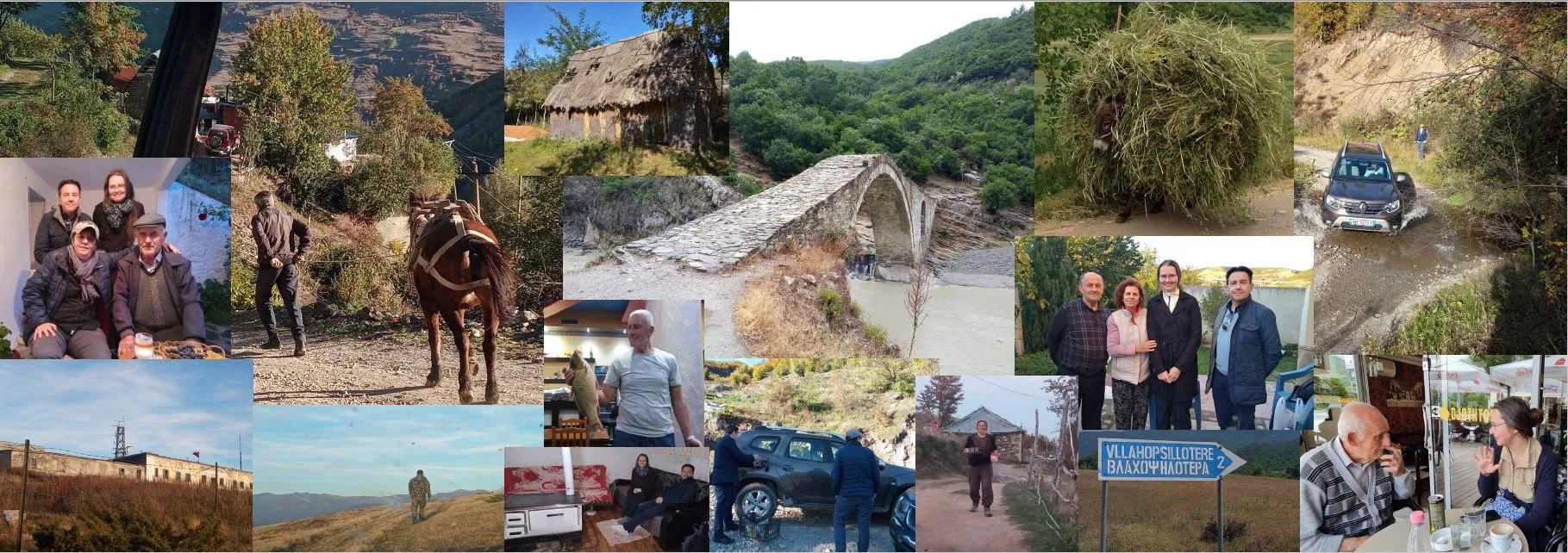
    The world view in any culture possesses a range of categories allocating all humankind a particular position along the axis of 'own' vs. 'foreign': crucial antithetic notions in the conceptualization of the social environment. The “space” in-between of both poles, hence, encompassing all those neither belonging to the inner circle of a community nor to total strangers, is shared by all “others” who might be further subdivided in closer and farther circles. However, the boundaries separating groups of people of different status (i.e., the circles of various radius with respect to the own community) could be fluid and to a certain extent permeable, which is a matter of each particular cultural context. The degree of permeability is described by the categories openness vs. closeness of a social community towards “others”.
    Read more
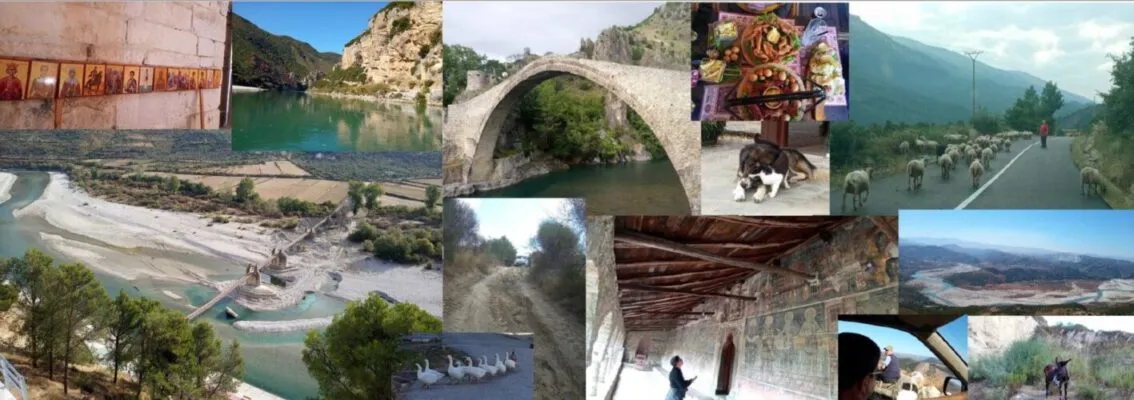
  • Explorations into the river culture of the Vjosa region: Cultural / historical / linguistic anthropological aspects

    The Vjosa valley is a sparsely populated area in modern Albania and Greece with very few urban settlements. The demographic landscape is dominated by small-scale agricultural farming and pastoralism as well as contains several monastic communities in the south. The sparsity of urban structures in the Vjosa valley dates back to ancient times. Nevertheless, small communities - sedentary, transhumant, and transient - have been interacting with each other when using the river and its resources.
    Read more
  • Towards a Conceptual German–Serbian Phraseological dictionary

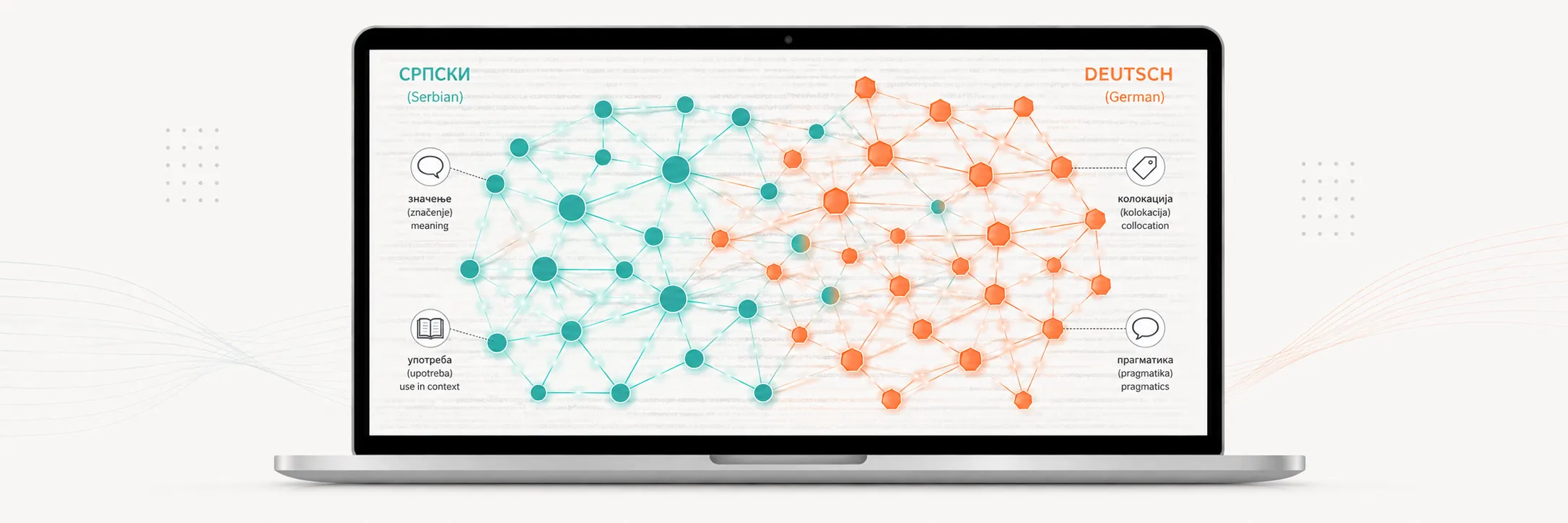
    In Preparation. The project will integrate phraseology, cognitive semantics, and bilingual lexicography with digital methods to create a conceptually structured, corpus-based online phraseological dictionary that captures not only formal equivalence but also semantic, pragmatic, and cultural dimensions. Addressing a major gap in Serbian scholarship—especially Serbian–German contrastive studies—it targets bilingual users and learners, supporting analysis of use and learning of phraseological units. By mapping shared, transformed, and divergent conceptual patterns across Serbian and German and making them accessible through open, innovative tools, it will deliver the first online phraseological dictionary for Serbian and the first bilingual Serbian–German resource for academic and general audiences.
    Read more